Ledger Live Login – A Complete 1200-Word Guide
Ledger Live is the official application designed to help users manage their Ledger hardware wallets and navigate the world of digital assets with confidence. Whether you’re checking balances, organizing portfolios, or verifying transactions, the Ledger Live login process plays a key role in keeping your information secure. This guide explains how Ledger Live login works, why it matters, and how the app builds a safer environment for managing crypto assets, all without including any external links.
What Is Ledger Live?
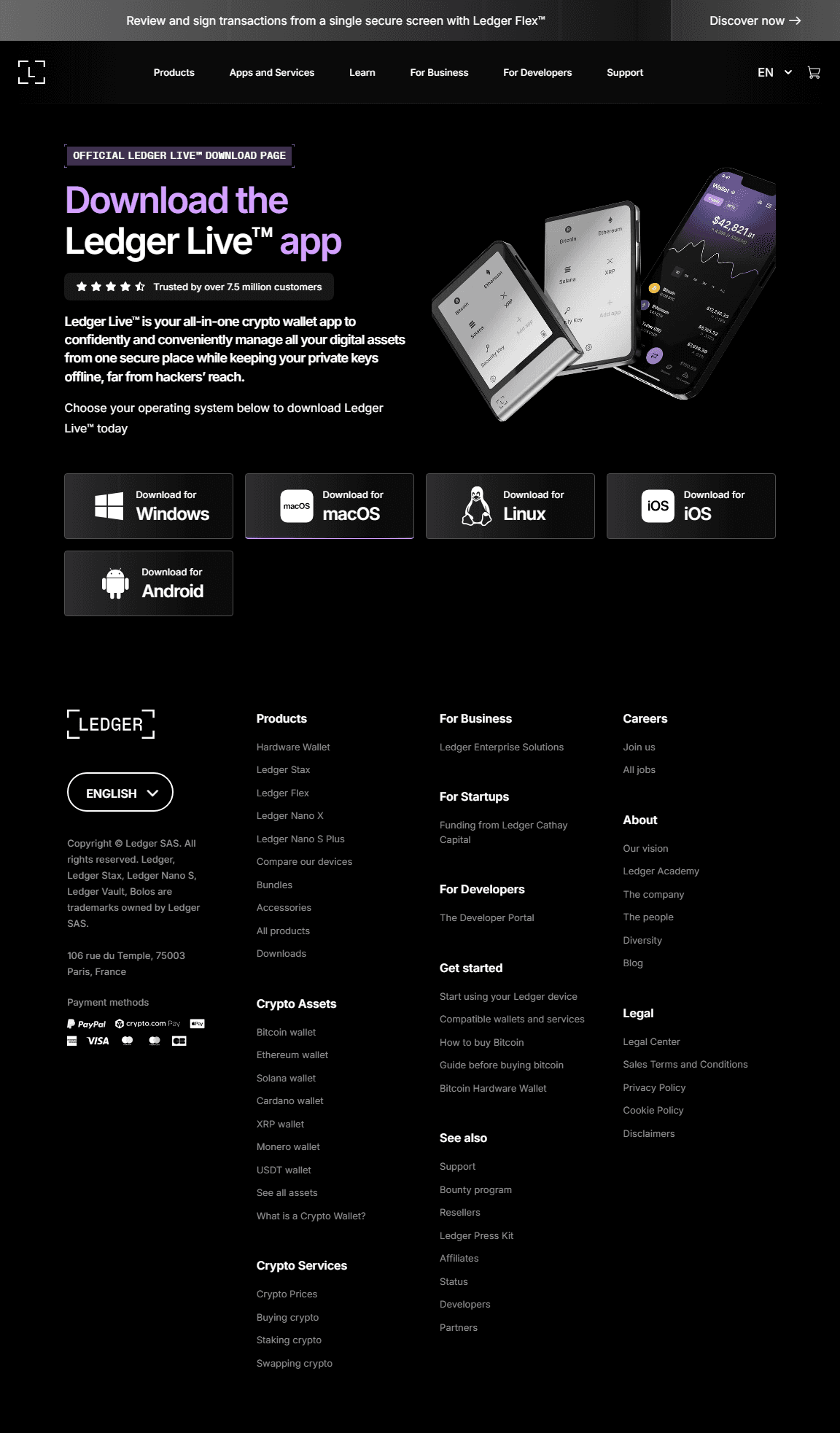
Ledger Live is a software platform created to work alongside Ledger hardware wallets. It allows users to view, track, and manage cryptocurrencies through a simple interface. The application is available on Windows, macOS, Linux, Android, and iOS, giving users flexibility to choose the device they prefer.
When people talk about “logging in” to Ledger Live, they usually mean opening the app and accessing their portfolio. Unlike traditional websites or apps, Ledger Live does not rely on passwords. Instead, access is tied to the Ledger hardware wallet and the device the user is using. This design reduces risks by avoiding password-based weaknesses and keeping private keys offline.
How Ledger Live Login Works
The Ledger Live login flow is different from what most apps use. Since the application is not cloud-based, there is no username or online account. Ledger Live runs locally, storing certain encrypted information on the user’s device. This means the login experience focuses on three steps:
Opening the Ledger Live Application
After installing Ledger Live, the user launches the app. On first setup, they create a password to protect the local application. This password does not unlock crypto accounts; instead, it prevents unauthorized access to the portfolio view. Every time the user opens Ledger Live, the app asks for this password.
Connecting the Ledger Device
For any sensitive operation—adding accounts, sending crypto, or confirming transactions—the Ledger hardware wallet must be physically connected. Some models use USB, while others support Bluetooth. By connecting the device, the user activates an extra layer of security that ensures only the wallet owner can confirm major actions.
Verifying on the Hardware Wallet
Although Ledger Live displays information, the final approval happens on the Ledger wallet itself. When logging in to perform protected tasks, the user must approve or confirm actions directly on the device. Because the private keys never leave the hardware wallet, the login process remains fully secure.
This sequence—app password, device connection, and hardware confirmation—functions like a complete login system that protects against unauthorized access without relying on typical cloud-account methods.
Why Ledger Live Login Is Designed This Way
Ledger designed its login system around security and user control. Here’s why the process is different from what you might expect in standard apps:
Private Keys Stay Offline
Ledger’s approach keeps sensitive information away from the internet. Since the private keys remain inside the hardware device, they cannot be stolen through online hacking attempts. This structure eliminates many risks associated with traditional logins.
Local Encryption Only
Instead of storing account information on external servers, the portfolio details are encrypted and saved on the user’s device. The login password simply decrypts this local information. Nothing is uploaded or synced to an online account, reducing exposure.
User Confirmation Required
Every important action requires approval on the Ledger hardware wallet. Even if someone guesses the password for Ledger Live, they cannot send or move assets without the physical wallet. This combination makes access extremely secure.
No Recoverable Login Credentials
Since there is no online account, the Ledger Live login does not involve email-based recovery methods. The only true recovery is the secret recovery phrase that comes with the Ledger wallet. This phrase must be kept safe and offline, as it is the ultimate backup.
Setting Up Ledger Live for the First Time
When using Ledger Live for the first time, the user sets up their device and application to ensure smooth login later. The process generally includes:
Installing Ledger Live
The user downloads the application from the official source and installs it on their computer or mobile device. Once complete, the app launches with a simple welcome interface.
Creating a Password
During setup, the user chooses a password. This password will be used every time they log in to Ledger Live. It prevents anyone else from opening the app on that device.
Linking the Ledger Wallet
The application asks the user to connect their Ledger hardware device. After connection, Ledger Live verifies its authenticity. This link between the device and the app forms the foundation for future login and authentication.
Adding Crypto Accounts
Once verified, Ledger Live lets the user add accounts for various cryptocurrencies. The app reads account information directly from the hardware wallet, allowing the portfolio to display details without exposing sensitive keys.
Completing Login Setup
After these steps, logging in simply means opening the app, entering the password, and connecting the hardware wallet when needed. This setup remains consistent across all supported devices.
Login Security Features in Ledger Live
Ledger Live includes several features that help protect the user each time they log in:
Local App Password
This prevents anyone with access to the device from viewing balances or activity inside the app.
Hardware Wallet Verification
The key part of login security. Transactions cannot happen unless the hardware device confirms them.
Encrypted Storage
All information on the user’s computer or mobile device is encrypted, so even if someone accesses the files, they cannot read or use the data.
No Exposure to Online Databases
Because no login accounts exist, there is no chance of cloud-based breaches affecting Ledger Live.
Device Compatibility Locks
Some advanced settings allow users to add extra layers, like restricting the app to certain devices or enabling biometric authorization on mobile.
Common Login Issues and How Users Usually Handle Them
Ledger Live, like any application, may occasionally present challenges during login. Here are common situations users experience, along with general explanations:
Forgot App Password
If the user forgets the local app password, they may need to reset Ledger Live. Resetting the app does not affect the hardware wallet or assets, but they must set it up again.
App Not Recognizing the Ledger Device
This can happen if the USB cable is loose, the drivers are outdated, or another program is interfering. Restarting Ledger Live, reconnecting the device, or updating firmware usually solves it.
Mobile Login Issues
Sometimes Bluetooth pairing may fail on mobile devices. In those cases, restarting the device or re-pairing often solves the issue.
Incorrect PIN on the Ledger Device
If the user enters the wrong device PIN multiple times, the hardware wallet resets for security. It can then be restored with the recovery phrase.
All of these scenarios emphasize the importance of keeping the recovery phrase safe, as it is the ultimate backup for accessing assets.
Why the Ledger Live Login Experience Matters
The login process is not just a technical detail—it helps users feel confident in managing crypto assets. By requiring a password, physical device, and on-device confirmation, Ledger creates a secure environment where unauthorized access becomes extremely difficult.
For users learning about cryptocurrency, this can also help them develop good digital safety habits. The login process teaches ideas like offline security, two-factor authentication, and responsible key management.
Final Thoughts
The Ledger Live login flow is designed to prioritize the user’s safety at every step. It combines local encryption, hardware verification, and offline key storage to create one of the most secure systems available for managing crypto assets. Even though it may feel different from traditional login methods, the design choices help protect users from common online threats. By understanding how Ledger Live login works, anyone—new or experienced—can navigate the app with greater confidence and awareness.